
Advertisement
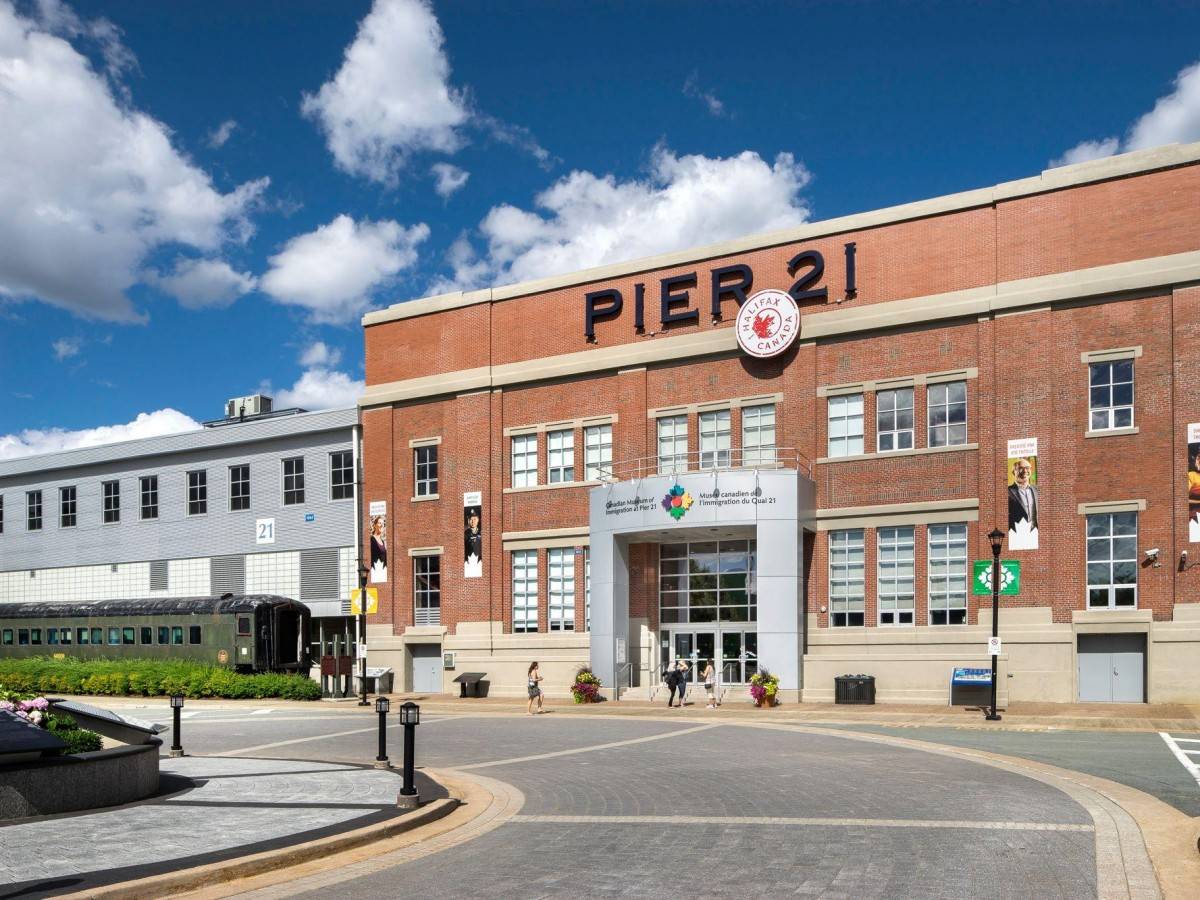
The Pier 21 Immigration Museum, located on the waterfront of Halifax, Nova Scotia, Canada, is one of the few well-preserved immigration history sites in North America. This building, which once served as Canada's main immigration port of entry from 1928 to 1971, witnessed the first moment of more than one million immigrants setting foot on North American soil. Today, the museum restores the little-known details of the transoceanic voyage through immersive exhibitions-especially the very different living conditions of passengers in different cabins. Those class differences that are more realistic than the movie "Titanic" are most vividly reflected in the "cockroach soup" recipe that third-class passengers have to drink.
Advertisement
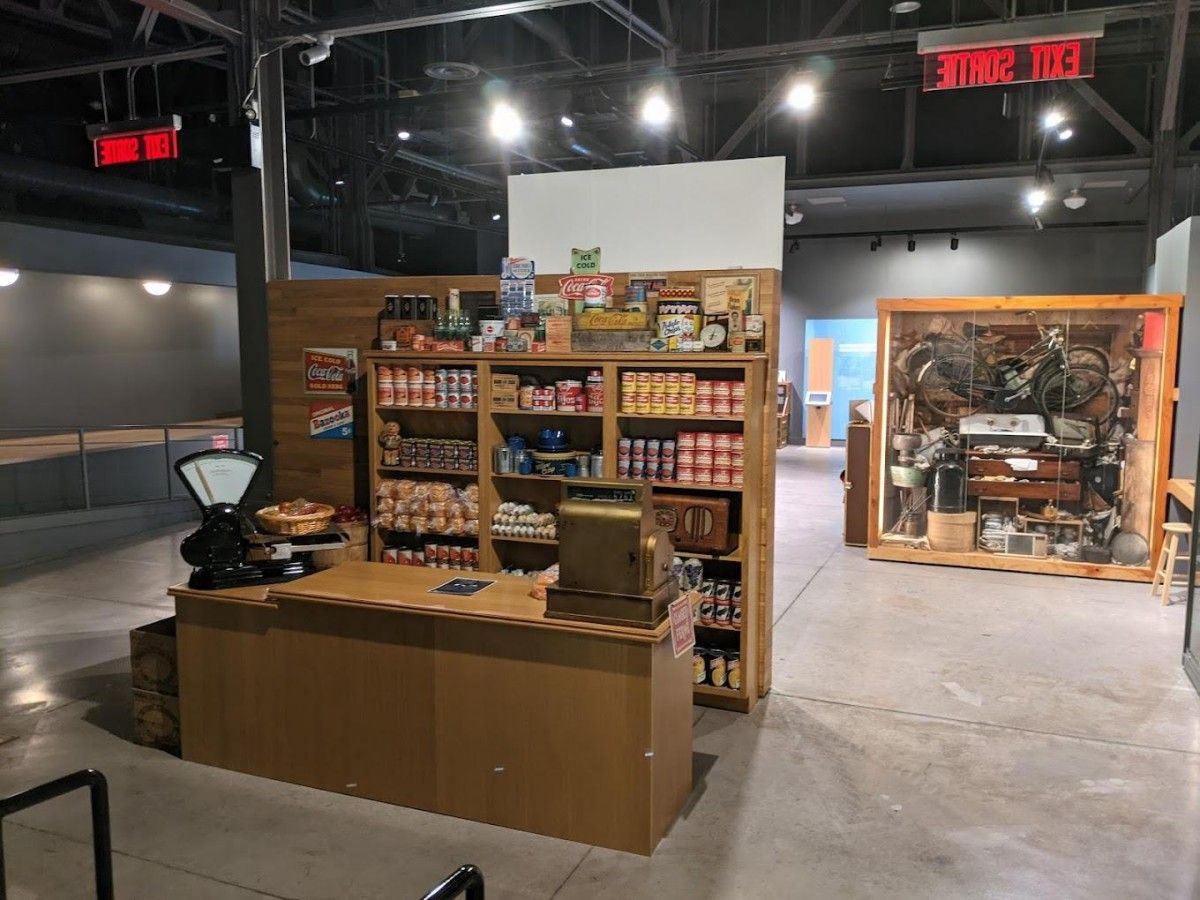
The first-class cabin of a transoceanic cruise ship is a symbol of wealth and privilege, no different from a luxury hotel on land. The museum's restored 1910s first-class suite showcases the most advanced navigation technology and luxurious life at the time-mahogany furniture, silk bedding, private bathrooms, and even some suites are equipped with pianos. First-class passengers enjoyed a seven-course meal prepared by a French chef, with caviar, foie gras and champagne often on the menu.
Advertisement
"Many of these passengers were industrial giants, aristocrats and stars," the museum's guide pointed out, "They not only evaded the strict inspection of the immigration bureau, but could even disembark directly through the ship's dedicated channel." The first-class deck was equipped with a swimming pool, gym and library, and passengers wore evening gowns to attend dances every night, as if the Atlantic Ocean was just a wide road to cross.
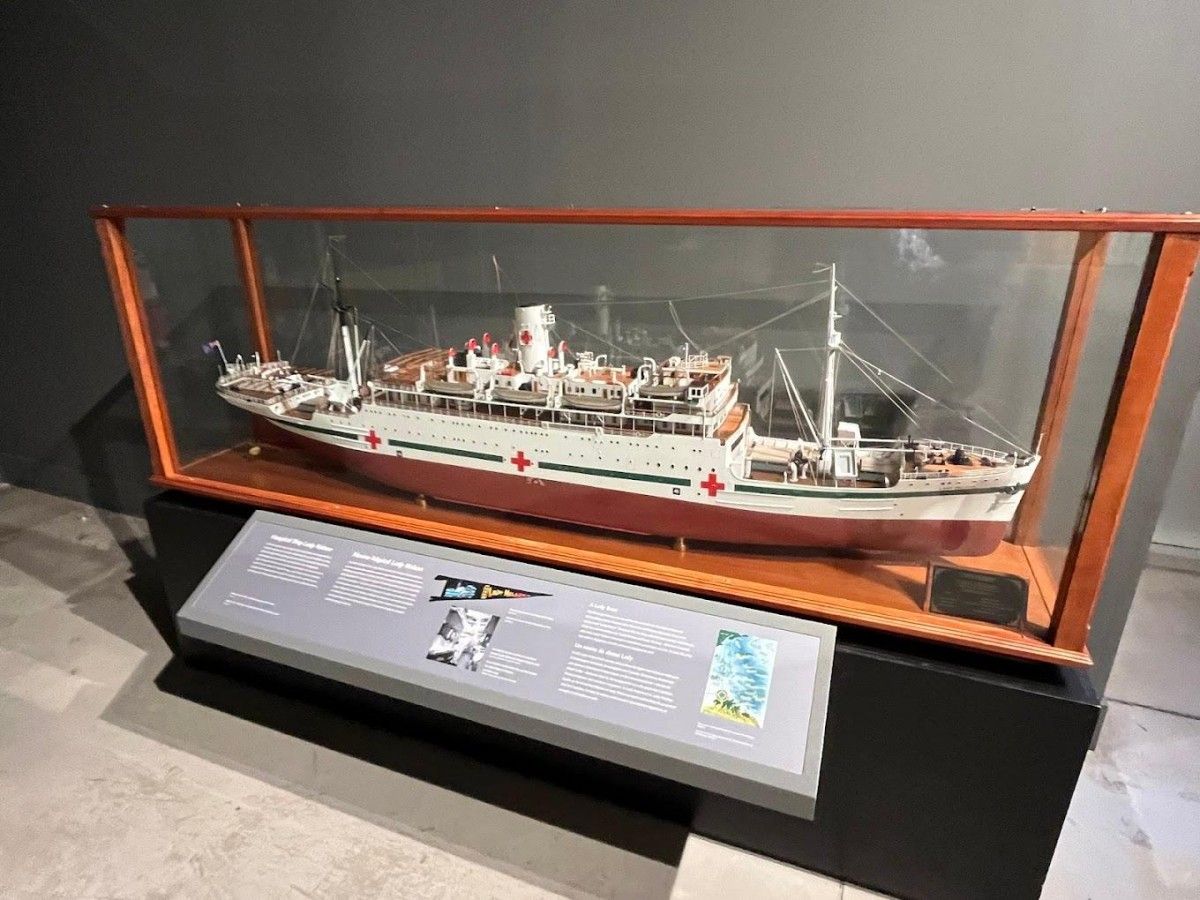
Although second-class passengers did not have the luxury of first class, their lives were still comfortable. The cabins for two or four people were equipped with washbasins, and the public bathrooms were kept clean. The restaurant offered simple continental meals, which were not luxurious but nutritious. The second-class menus from the 1920s on display in the museum show that breakfast usually had oatmeal, fried eggs and coffee, and dinner might be roast beef with Yorkshire pudding.
Advertisement
"Most of the second-class passengers were teachers, small businessmen or skilled workers," the curator explained. "They couldn't afford first-class, but they were unwilling to mix with lower-class immigrants." These passengers could use limited public spaces, such as smoking rooms and small libraries, but were strictly prohibited from entering the first-class area.
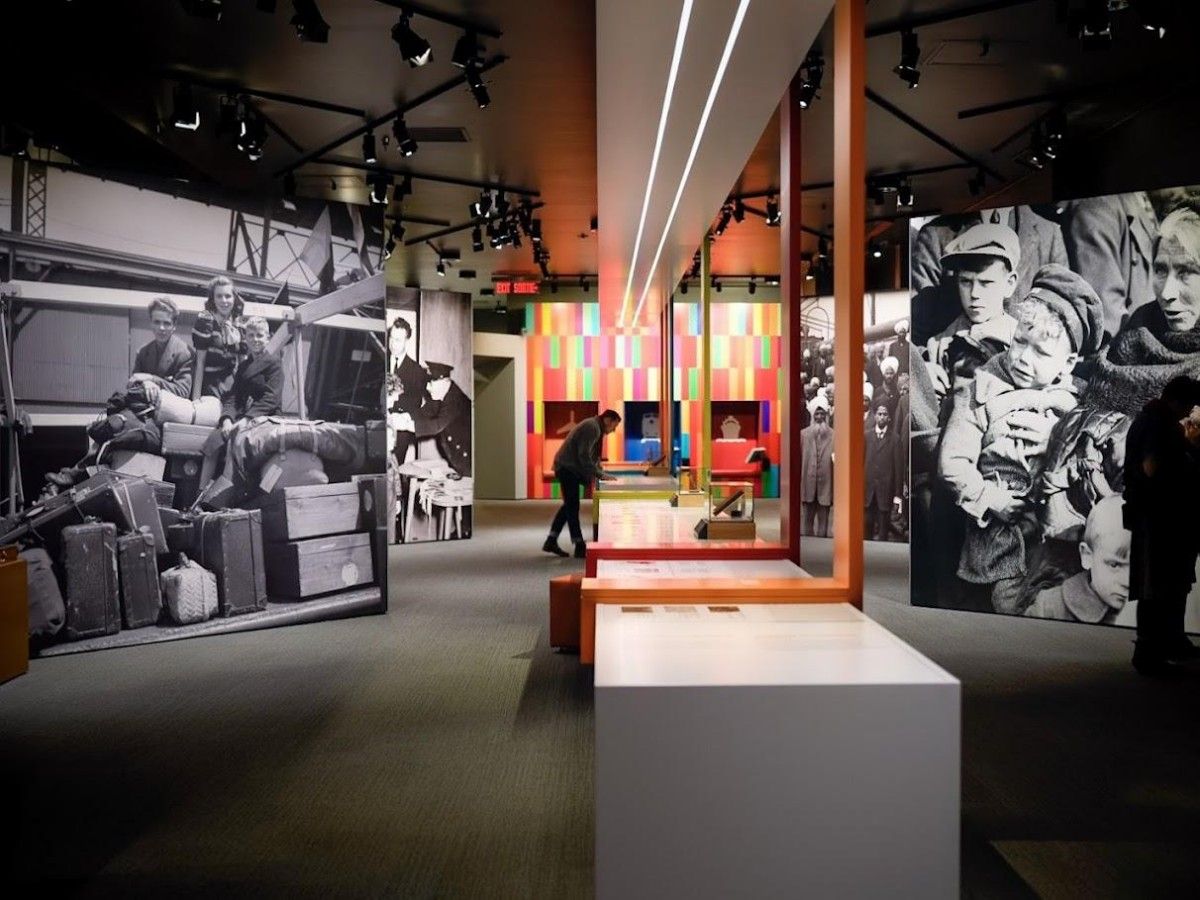
Walking down the narrow stairs, the museum's restored third-class scene is shocking - the dim cabin is full of double or even triple iron beds, with only about 2 feet of space per person. The air is turbid, the noise is constant, and diseases are easily spread. The most shocking thing is the "cockroach soup" recipe on display, which was a real invention of the third-class passengers at that time:
"Take a cup of hot water, add a small amount of salt and the hard biscuit crumbs provided on the ship. If you are lucky enough to catch a few cockroaches (protein source), roast them and grind them into the soup. Finally, drip in the olive oil you carry with you (if any). "
"This is not a joke," wrote a letter donated by the descendants of immigrants, "When the food on the ship is spoiled or insufficient, this is the way many immigrants survive." The interactive screen of the museum shows the descendants of immigrants recalling this difficult experience told by their grandparents.
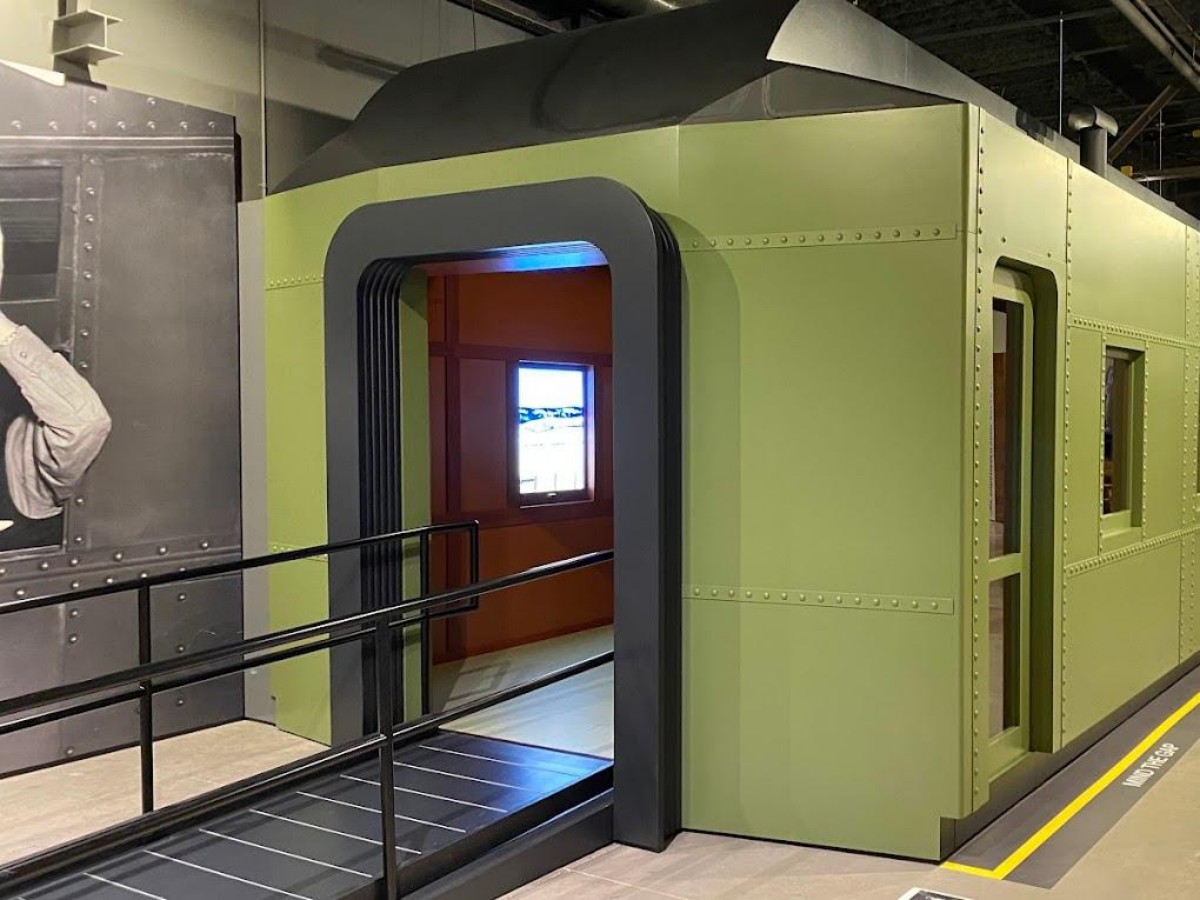
Third-class passengers not only had poor food conditions, but also had their movements strictly restricted. The museum's "No Access Zone" exhibition shows that they were often prohibited from going on deck and could only go out for a short breath of fresh air at designated times. "Imagine hundreds of people crammed in a confined space for two weeks or even longer," the guide described, "with no fresh air, lack of sanitary facilities, seasickness and disease rampant."
Interestingly, this harsh environment also gave rise to a special community culture. Oral history records in the exhibition show that immigrants would organize impromptu concerts, storytelling competitions, and even small "black markets" to trade personal belongings. Some romantic stories also began with this forced closeness-the museum displays photos of several couples who met in the third class and spent their lives together.
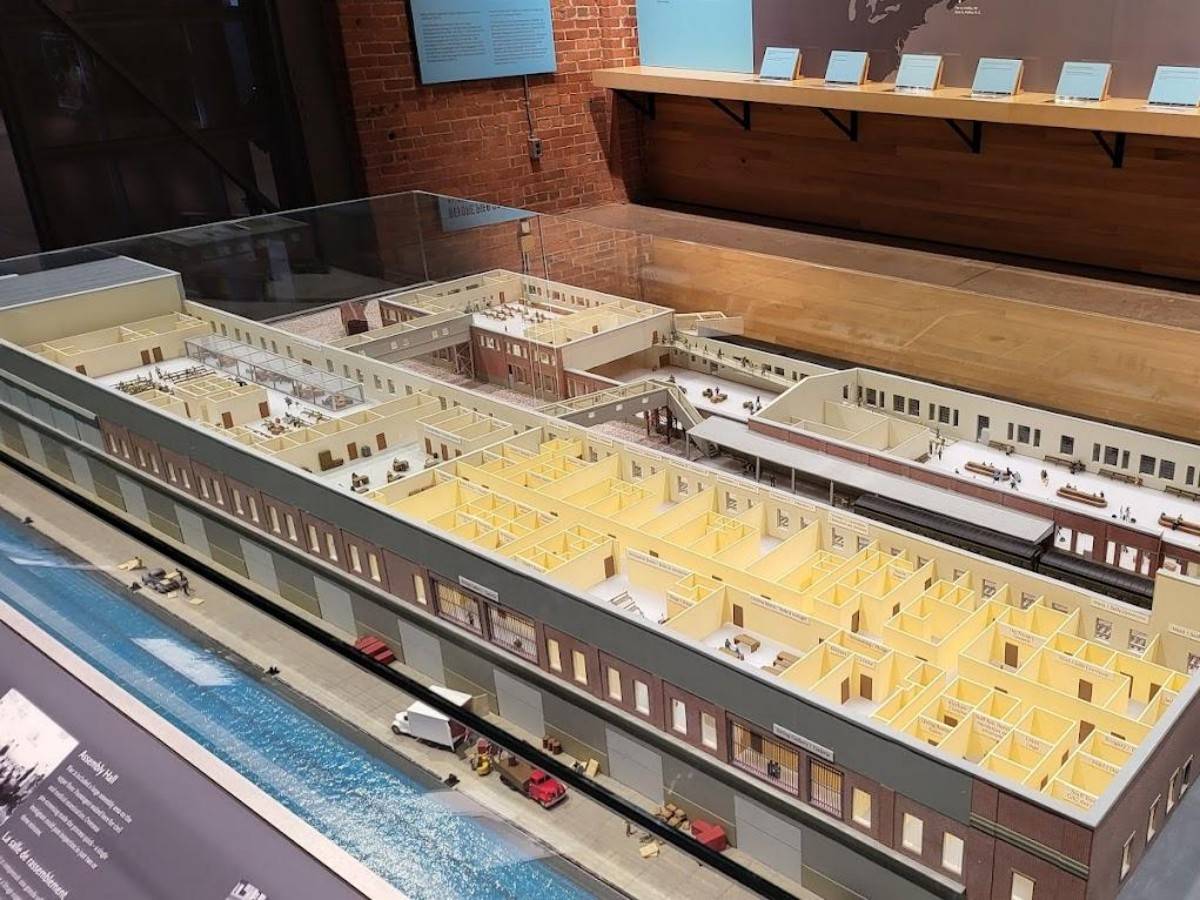
One of the most thought-provoking exhibitions at the Peel 21 Museum is the "Immigration Triage" area. First-class passengers often pass directly, second-class passengers undergo simple inspections, and third-class immigrants face strict physical examinations and inquiries. "They check our eyes and teeth, just like buying livestock," an immigrant from Ukraine wrote in his diary in 1923, "Some people were denied entry, and the whole family fell into despair."
The museum uses multimedia technology to allow visitors to experience the entry procedures of the year, including stress tests of answering questions from immigration officers. Data shows that the rejection rate of first-class passengers is less than 1%, while that of third-class passengers is as high as 15%. Those who are lucky enough to pass will wait for trains to various parts of Canada in the Peel 21 lobby to start a new life.
Walking out of the Peel 21 Immigration Museum, the sea breeze in Halifax Harbor is still there, but the sea view in the eyes of visitors is no longer the same. Those immigrants who once landed here, whether in silk dresses in first class or shabby bags in third class, have become part of Canada's multicultural tapestry. Perhaps the most valuable thing about the museum is not the restored scenes, but the thousands of real immigration stories it has collected - they remind us that at a certain point in history, everyone is a stranger. Today, when we complain about the food in a restaurant, we should remember the bowl of "cockroach soup" full of survival wisdom and tenacity, and the transatlantic journey behind it that should not be forgotten.